Purpose first
Every part earns its place.
A product, a screen or a single chip has a job to do. Anything without one stays out, however new or fashionable it is.
Designs change on the way to launch. I design products and build them in code, so what ships is what was meant.
| Details | Category | Solution | What I did | Segment |
|---|---|---|---|---|
| Government AI | Branded design system for prototyping AI apps in Streamlit | Design systems, Brand identity, Development | Government | |
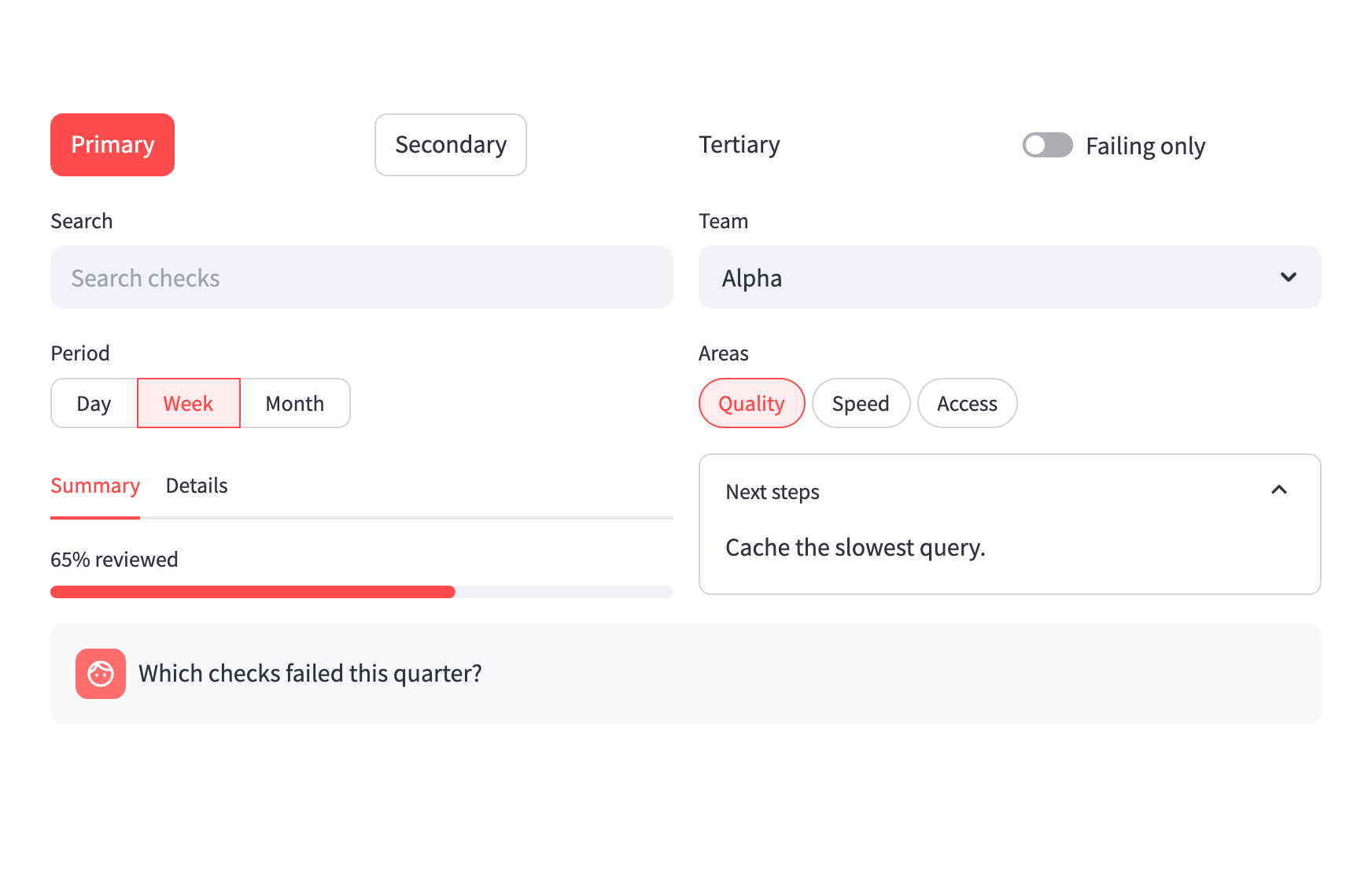
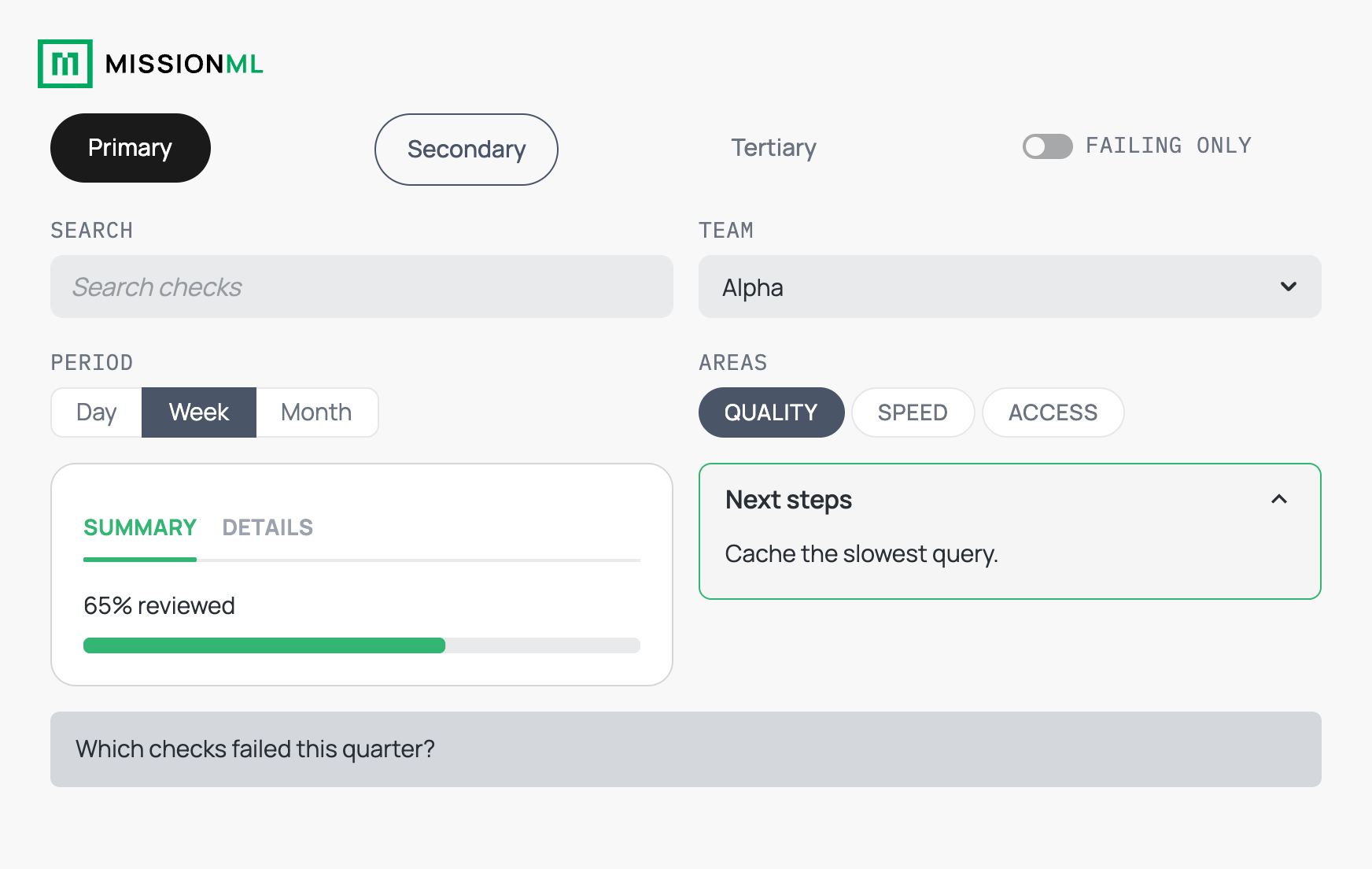
MissionML design systemProblemMissionML had just split off from its parent company and needed its own look. I designed the new brand, but the AI apps it prototyped for federal agencies in Streamlit still came out in the framework’s stock look. ApproachI restyled Streamlit’s own widgets with a brand theme and one stylesheet of about 800 lines, and added the components it lacks, each one Python call. FDEs could then prototype AI apps rapidly, already in the MissionML look. OutcomeAcross two federal projects, the team built about fifteen prototypes on it. 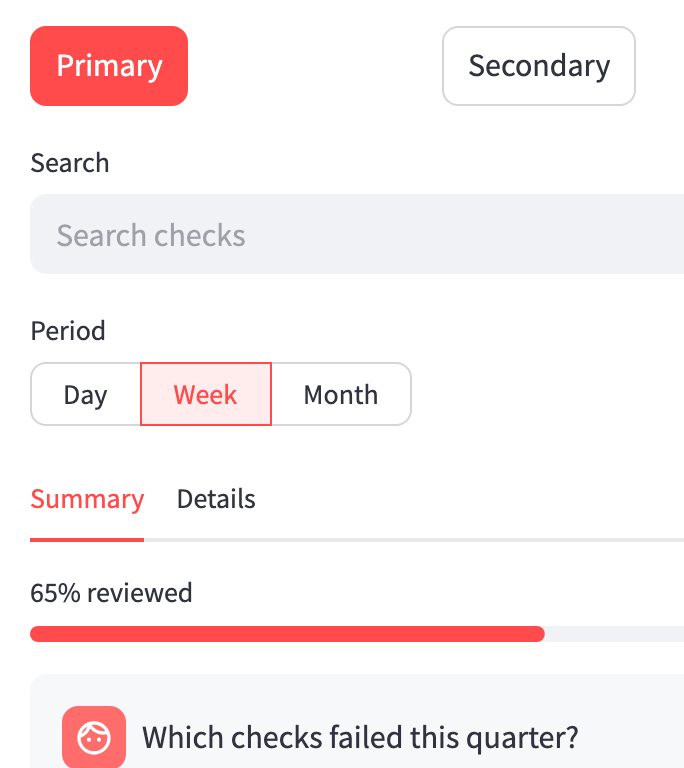 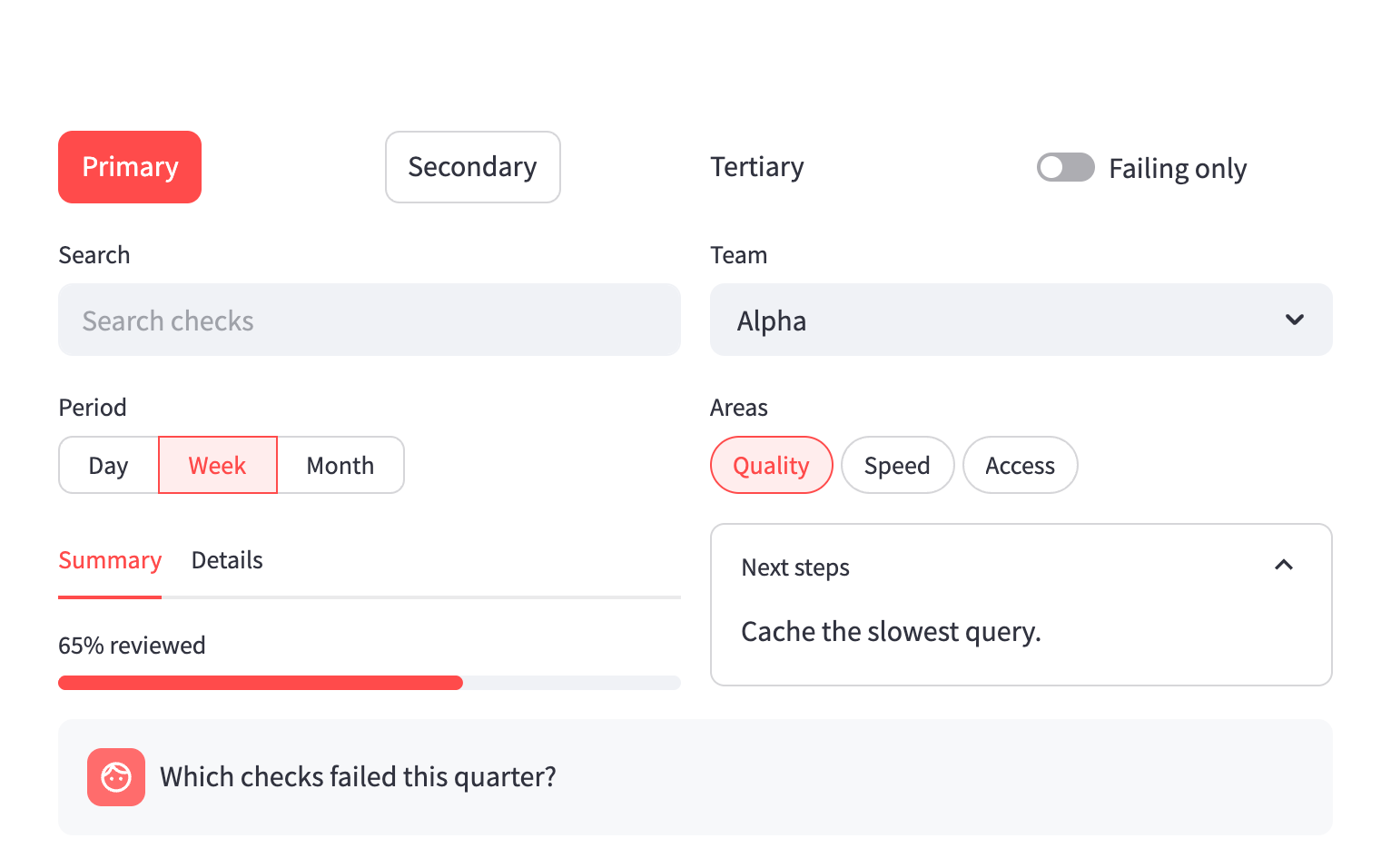 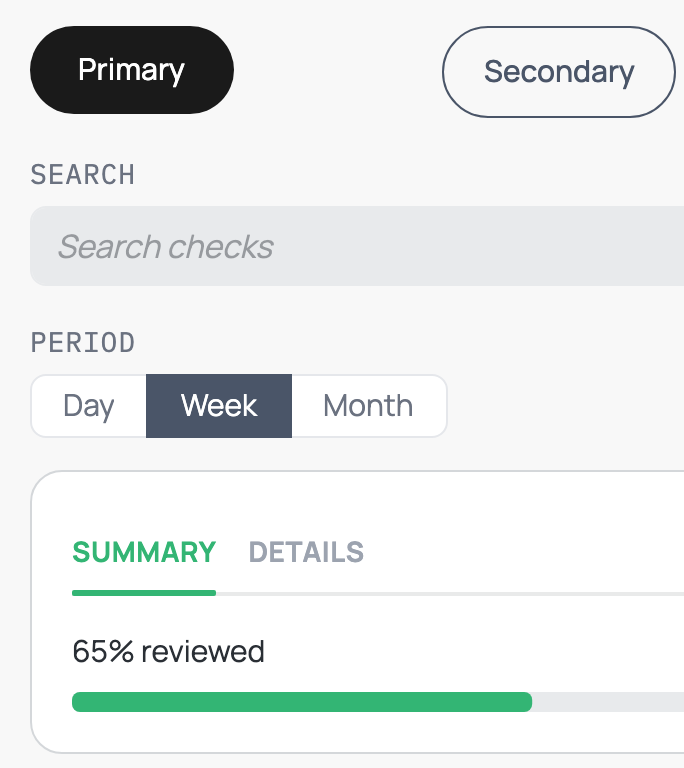 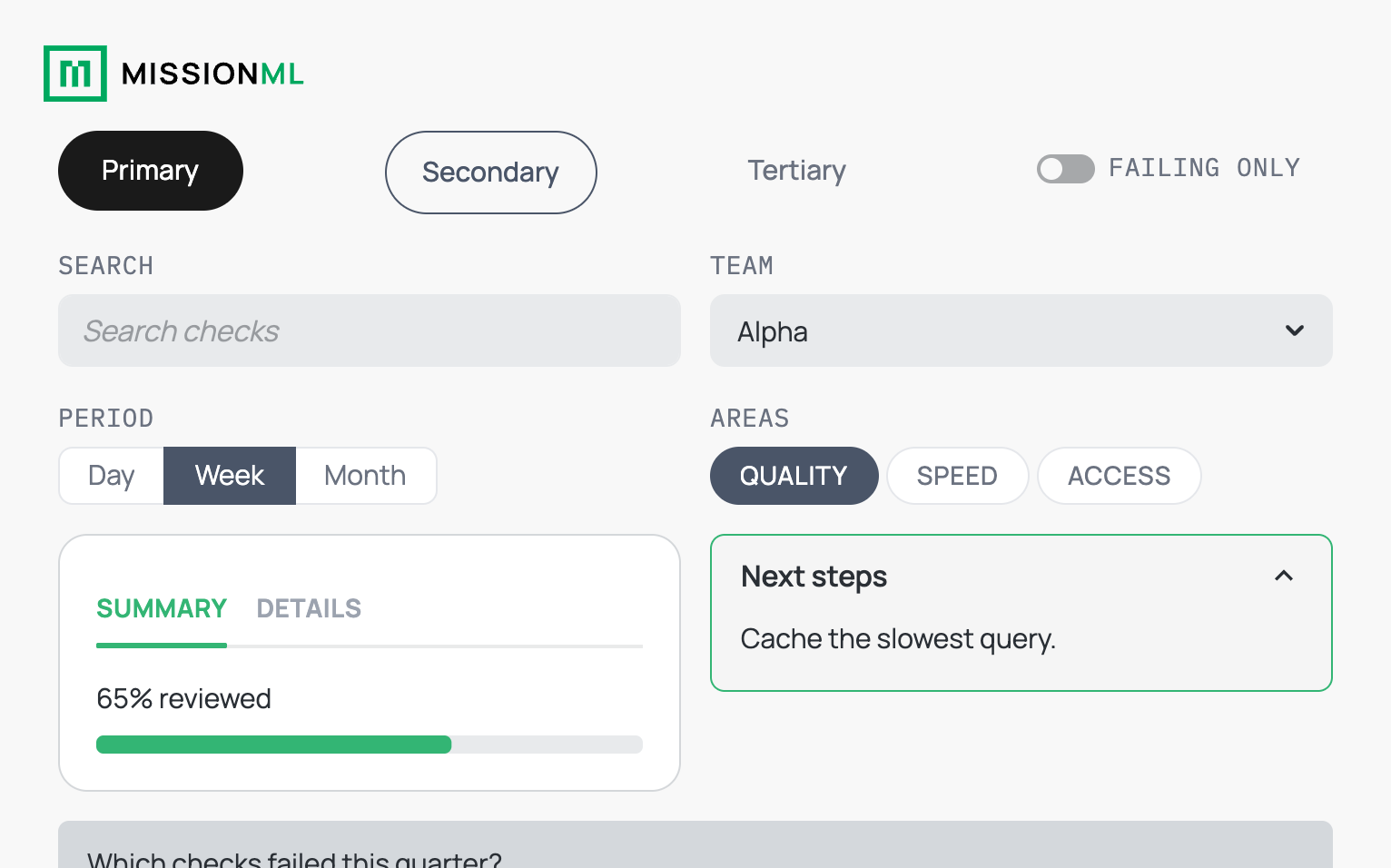 Stock StreamlitMissionML Live Built with
| ||||
| Government AI | AI tool that checks courses against 74 cyber work roles | Product design, Development | Government | |
Curriculum Alignment ToolProblemEvery analysis ran 74 AI checks, one per Defense Department cyber work role, and each returned about two screens of output. It all had to fit in Streamlit, MissionML’s stack at the time, for a program lead who wanted it flashy, modern and sleek. ApproachI pushed Streamlit’s components and state past what they were made for. A grid of 74 squares fills in green or gray as each check finishes, so the answer fits on one screen. Only the roles someone opens become tabs. OutcomeProduction kept the coverage chart, result cards and evidence tables. NDA Built with
| ||||
| Government AI | AI workbench for reviewing schools’ cybersecurity programs | Product strategy, Product design, Development | Government | |
Cyber Academic Management SystemProblemSchools apply to have their cybersecurity programs designated as meeting national standards, and the manual work piled up in peer review. The question was which review steps AI could take over while staying within the policy. ApproachI owned discovery, then built and deployed prototypes of the extraction and alignment engines for the two review steps AI would take over. I designed the platform as a workbench where schools build their documents in the app. OutcomeProduction’s AI business rules are built on those prototypes. NDA Built with
| ||||
| Events | Payouts page that shows event hosts when money arrives | Product design, Strategy | Consumer | |
PlotsProblemHosts sell tickets to their events on Plots, and payouts ran through Stripe, which the app hid once it was linked. When Stripe paused a payout, hosts could not see why. ApproachI designed a Payouts page for all of a host’s events, with alerts that name the Stripe problem before a payout pauses. I defined three custom APIs with the engineers to pull the Stripe data into the app. OutcomeThe Payouts page shipped with all three APIs. 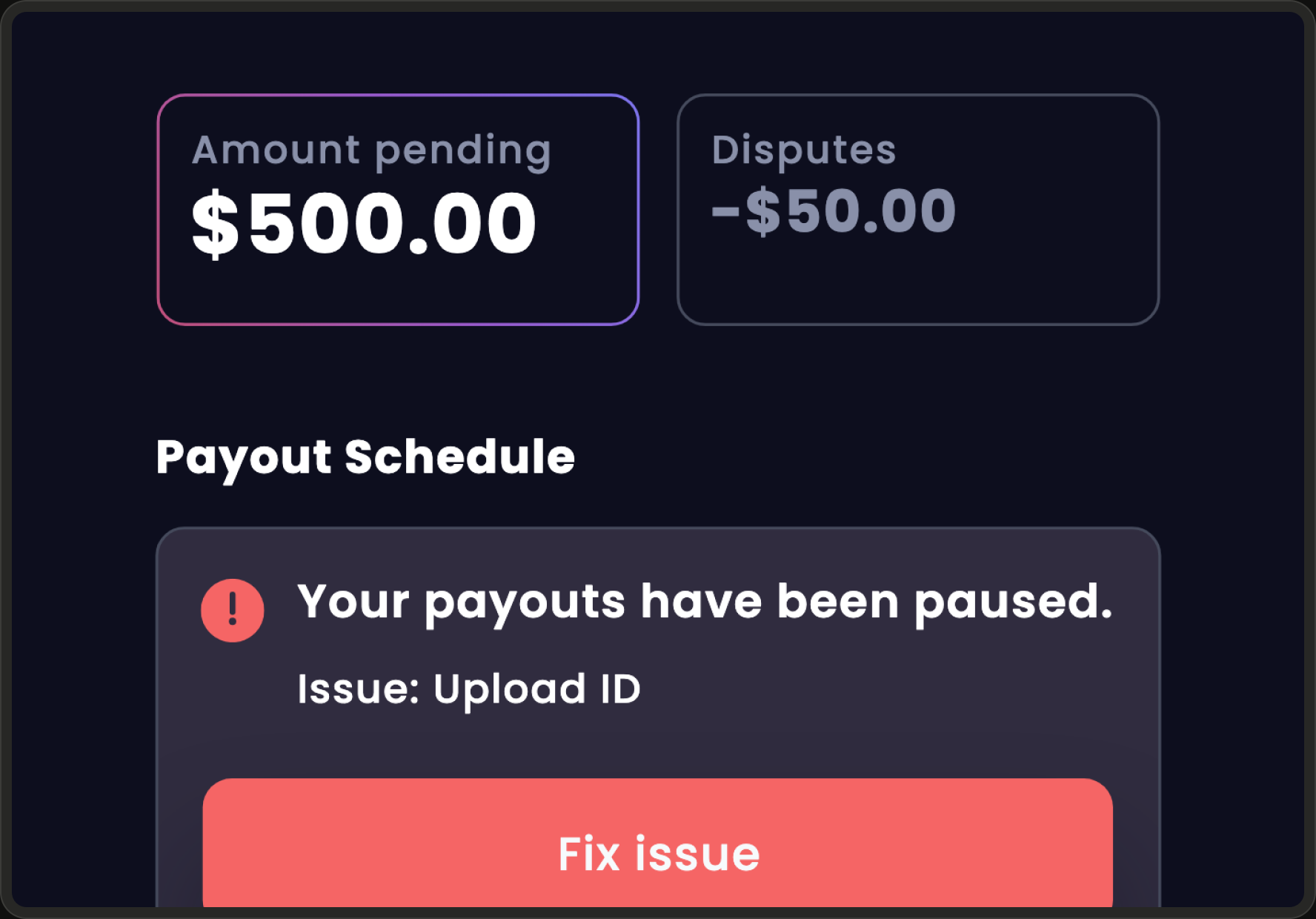 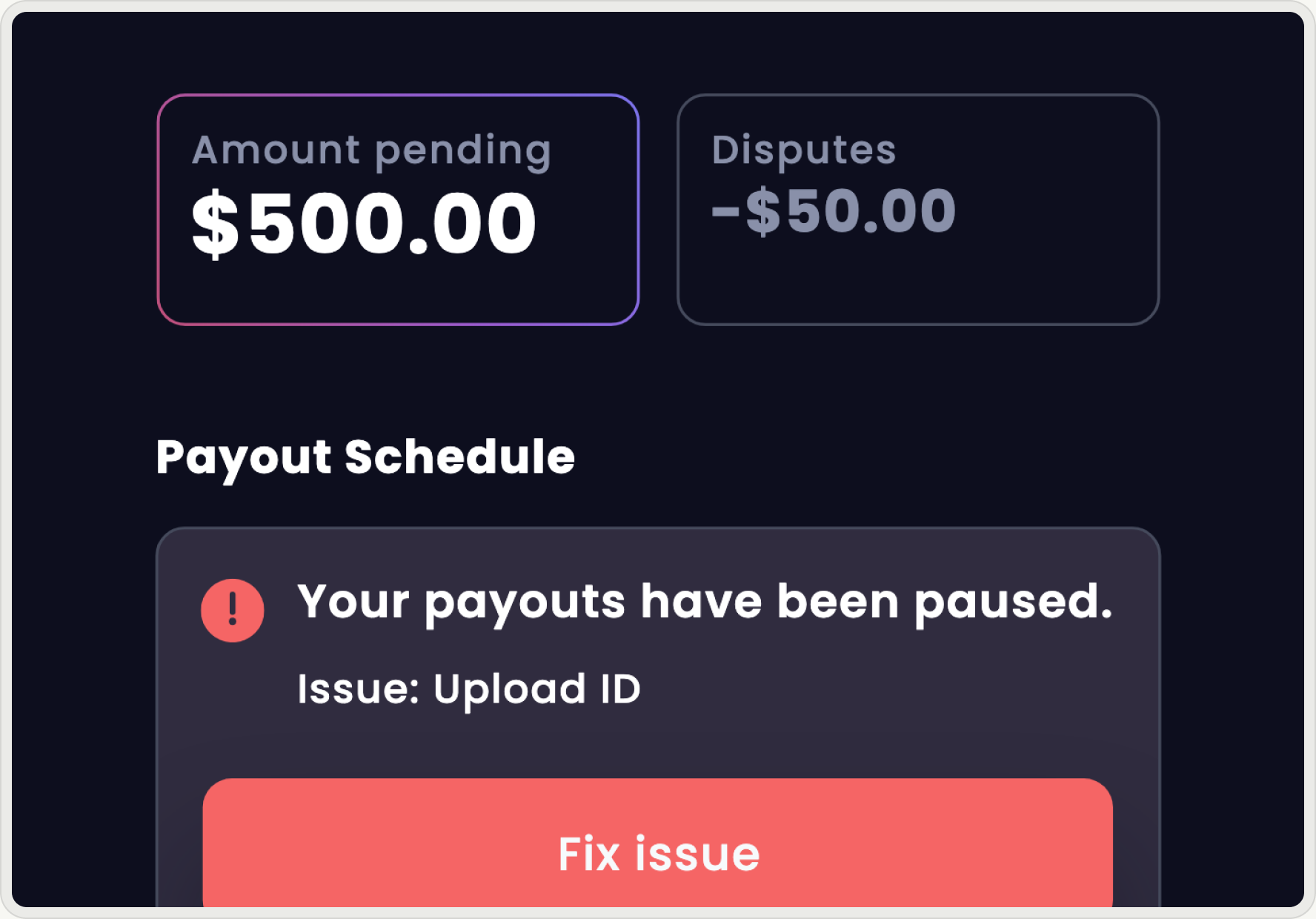 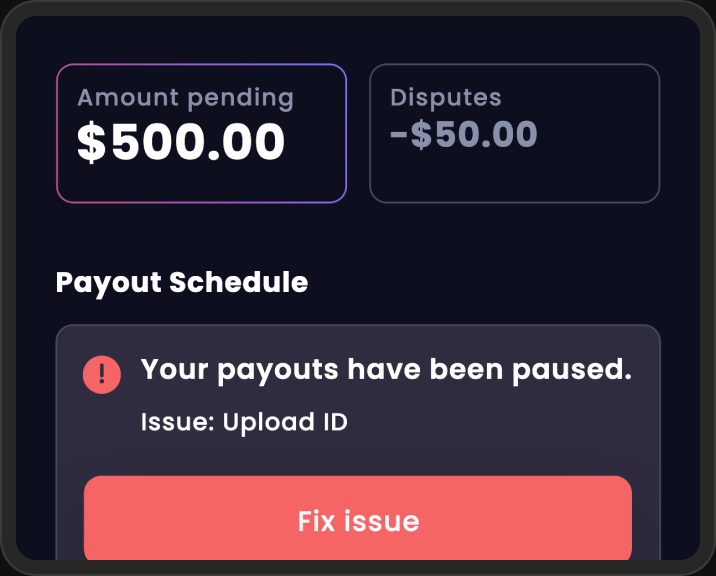 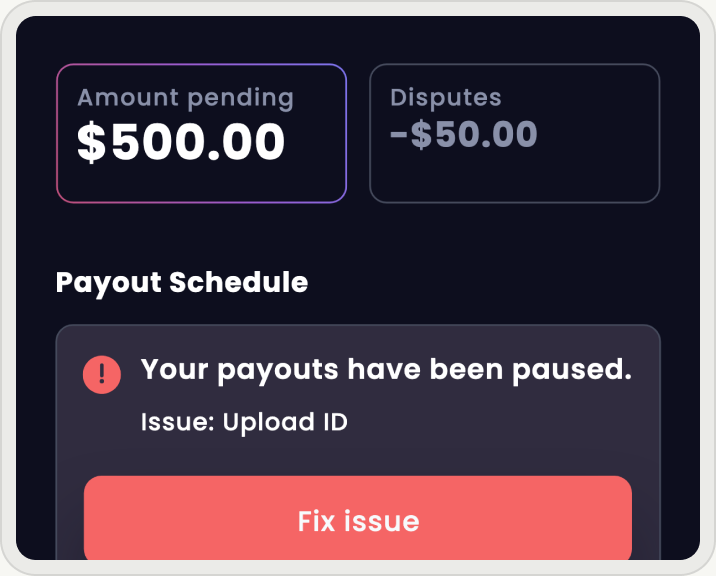 Live Built with
| ||||
| Education | University campus app that puts the most-used screens first | App design, Research | Consumer | |
Stanford MobileProblemFirst-year students and visitors open the campus app for bus schedules, dining halls and events. The information they used most was buried, and planning a bus trip meant remembering details between screens. ApproachMy redesign puts the home screen in order of use: health check and mobile ID first, then dining and transport, with events at the bottom. I added defaults to the trip planner, which starts from the rider’s location and will not confirm a trip without a destination. 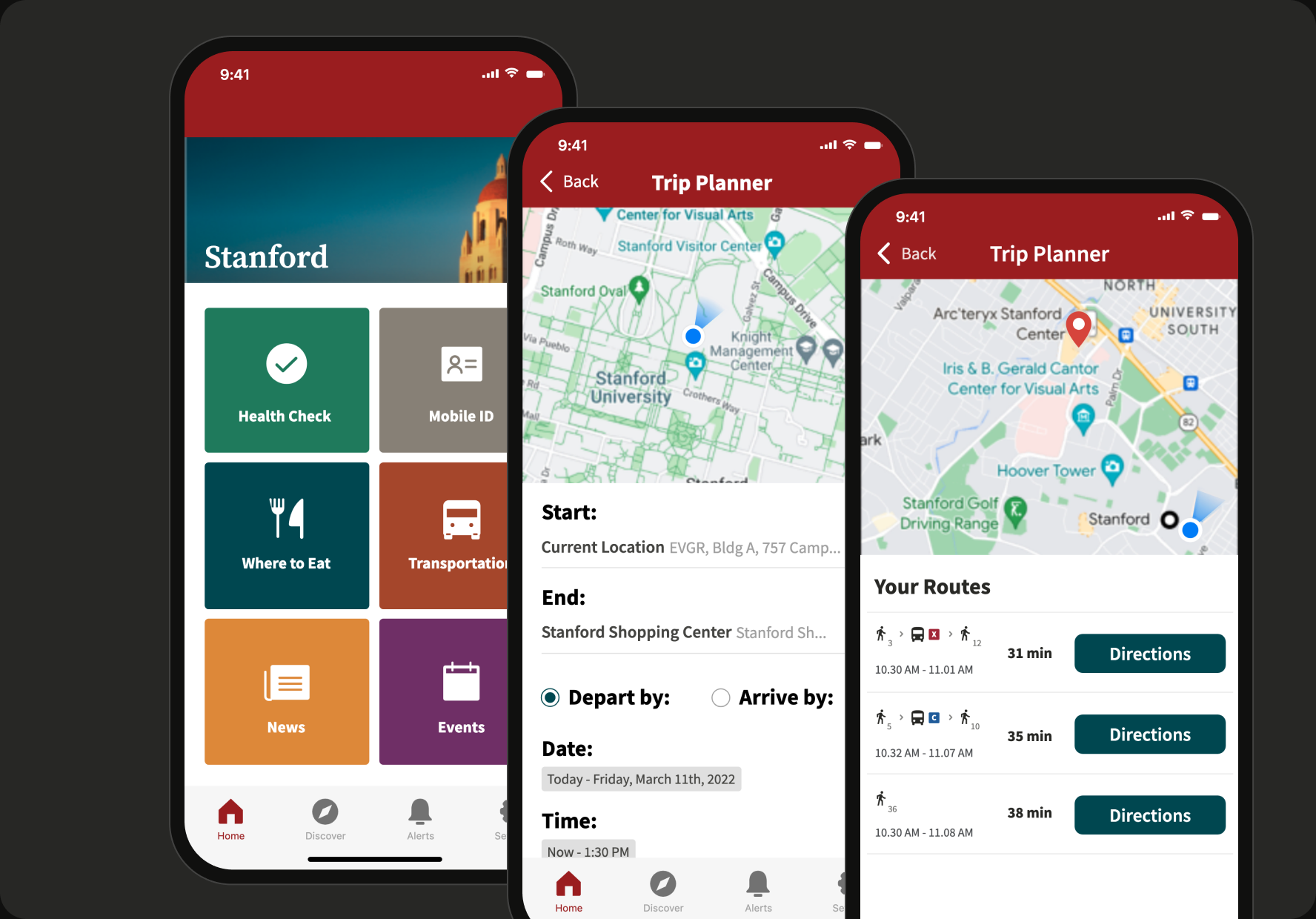 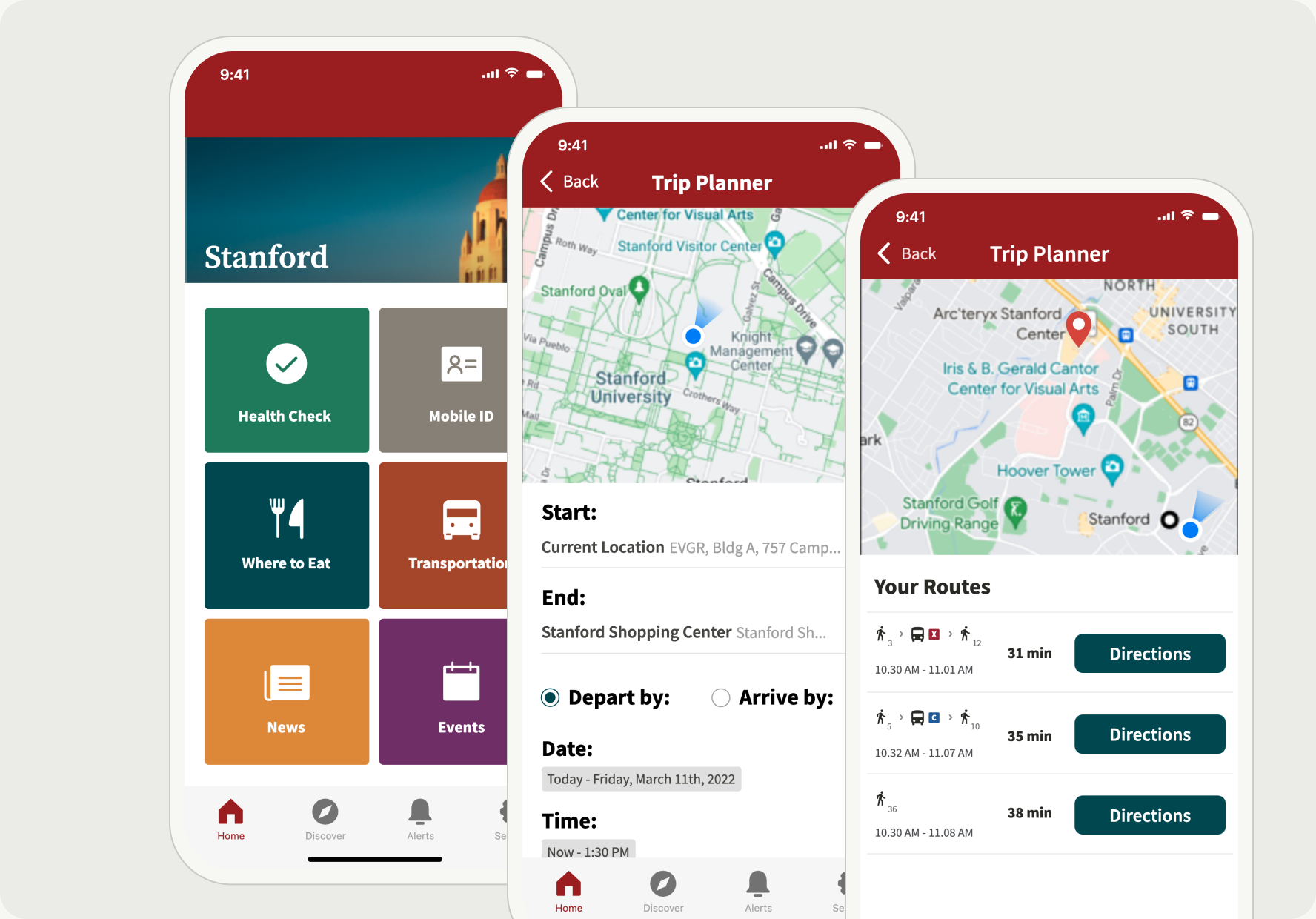 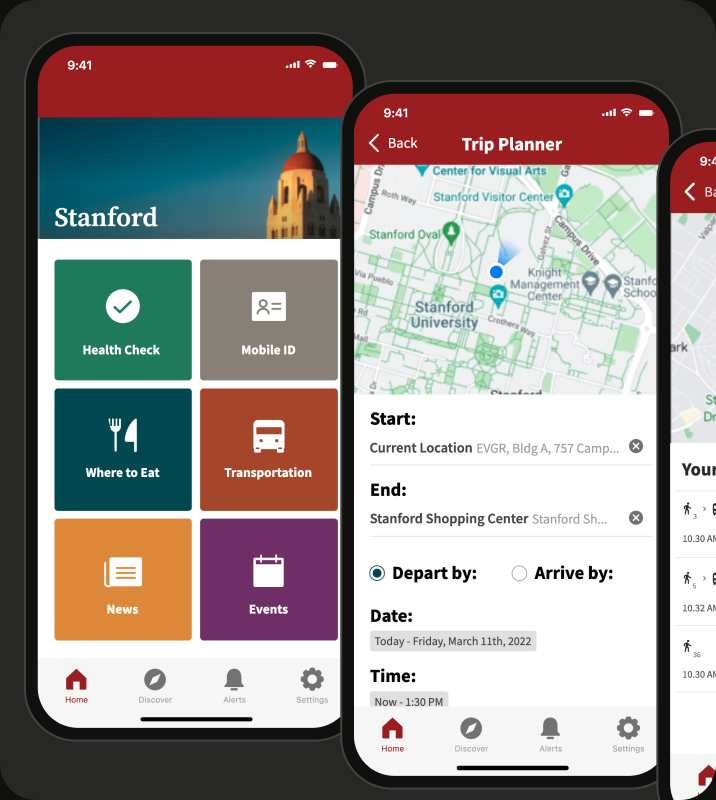 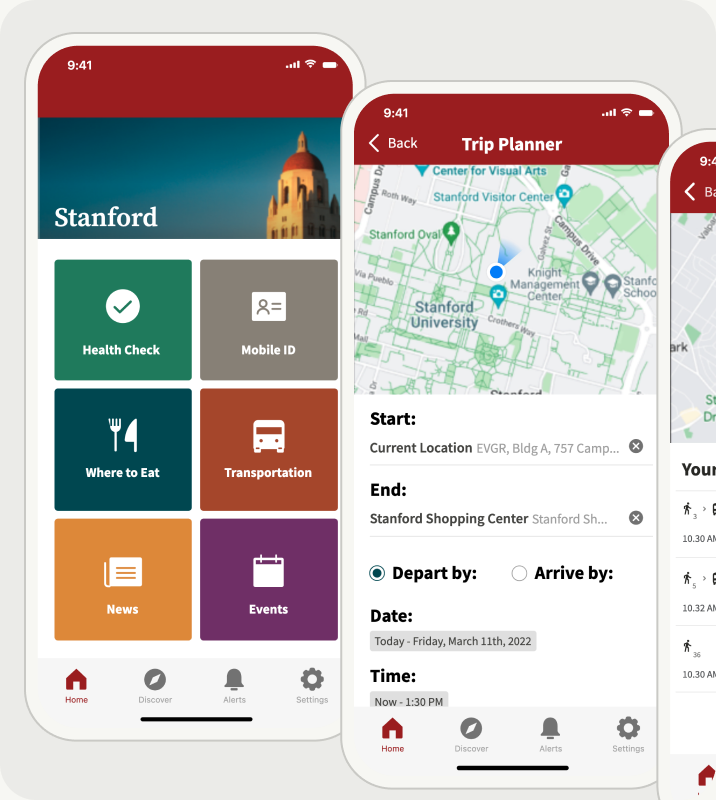 Built with
| ||||
| Climate | Web platform where a whole company collects its ESG data | Product design, Design systems | Business | |
BaobabProblemBefore Baobab, a company’s environmental, social and governance (ESG) reporting fell on one consultant instead of the staff who knew each impact area. ApproachIn Baobab, leaders hand each impact area to the staff who know it. I built the component library in Figma first, so every worksheet, dashboard and team page came from the same parts, and a developer built the app from it. OutcomeThe interface now tracks sustainability on residential construction projects. 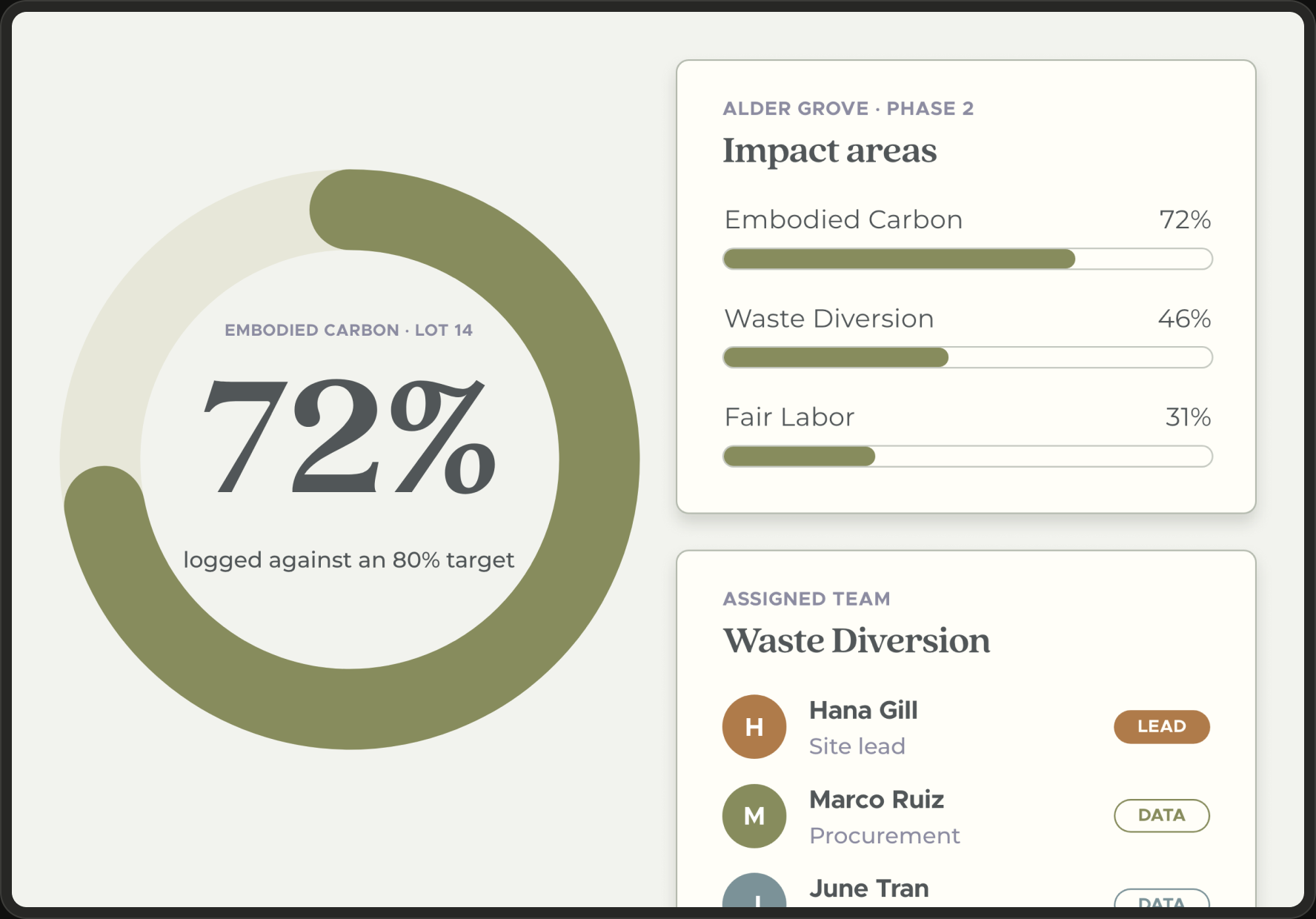 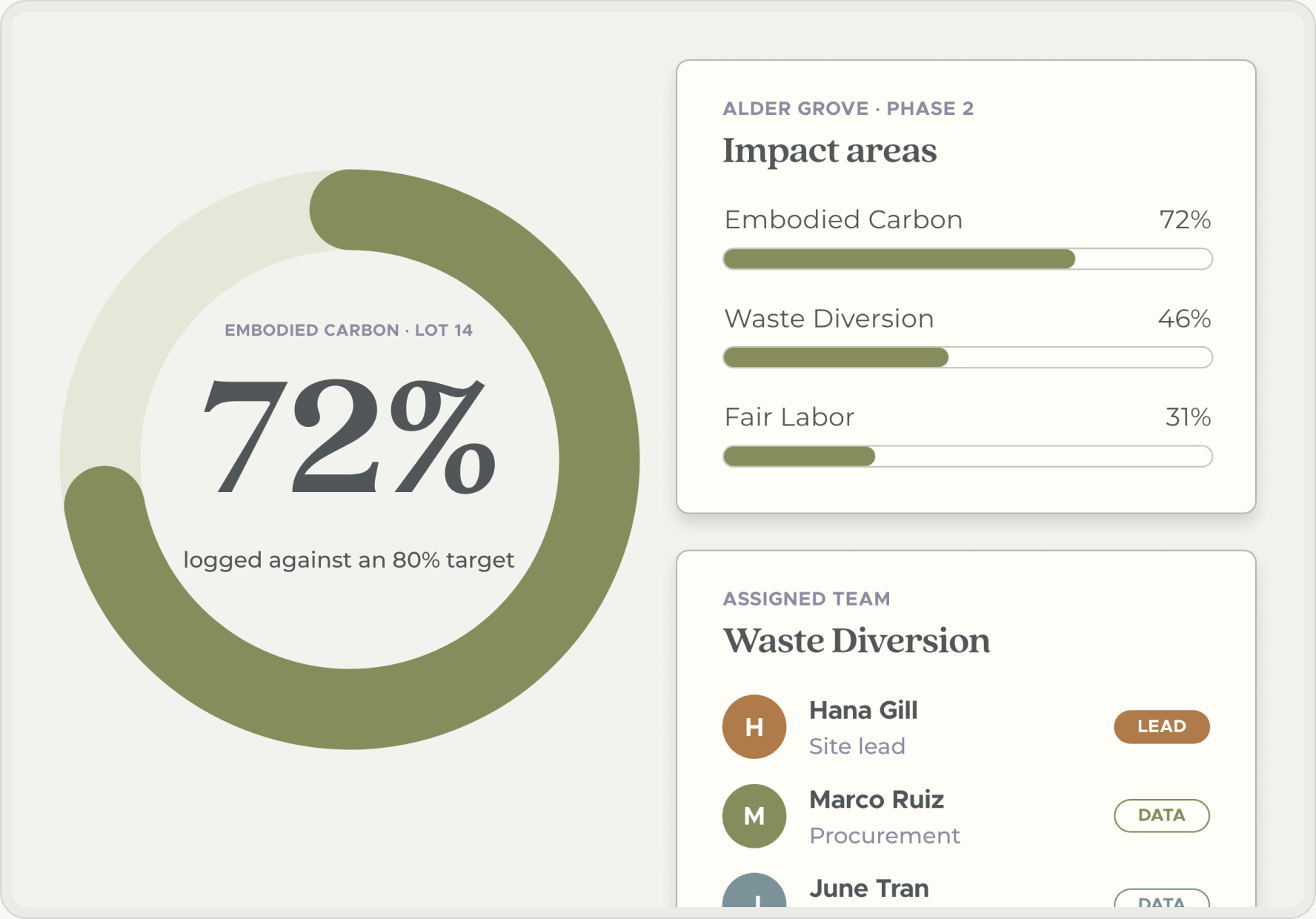 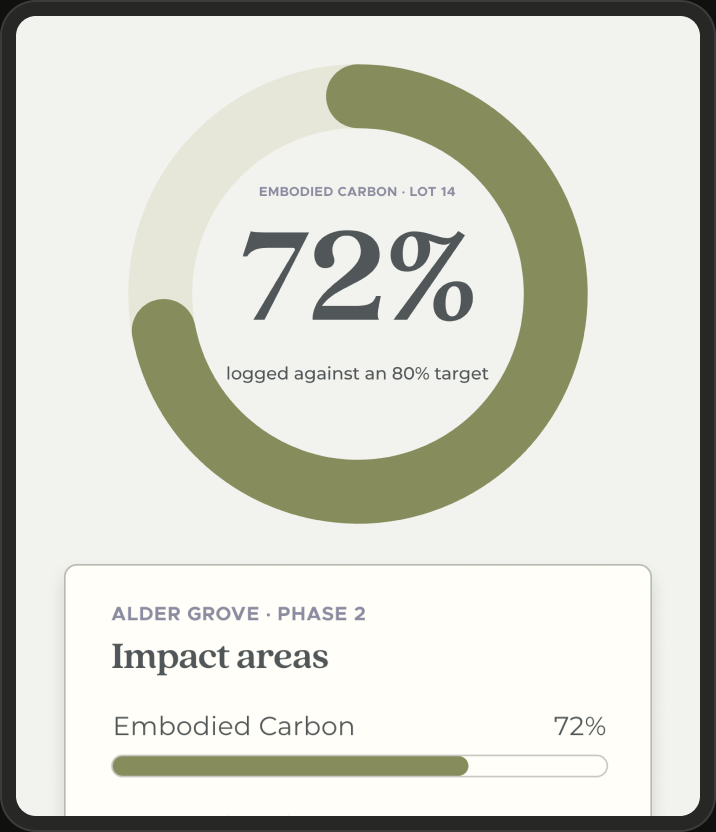 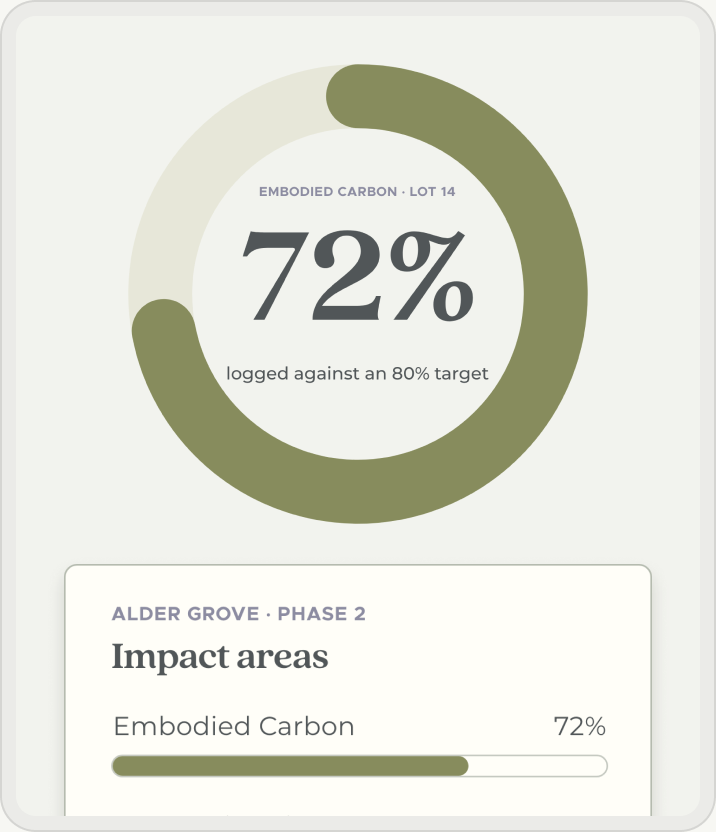 Live Built with
| ||||
| Transit | Transit app that pairs students with a riding buddy | App design, Web design | Consumer | |
TangoProblemStudents who ride transit alone in big cities need company against harassment. Testers worried about finding a buddy in a busy station with no way to reach them. ApproachTango matches riders on similar routes and gives each pair an in-app chat for meeting at the station, with a way to ask for a new match. I designed every screen, from matching to rating a buddy at the end, and built the landing page myself. 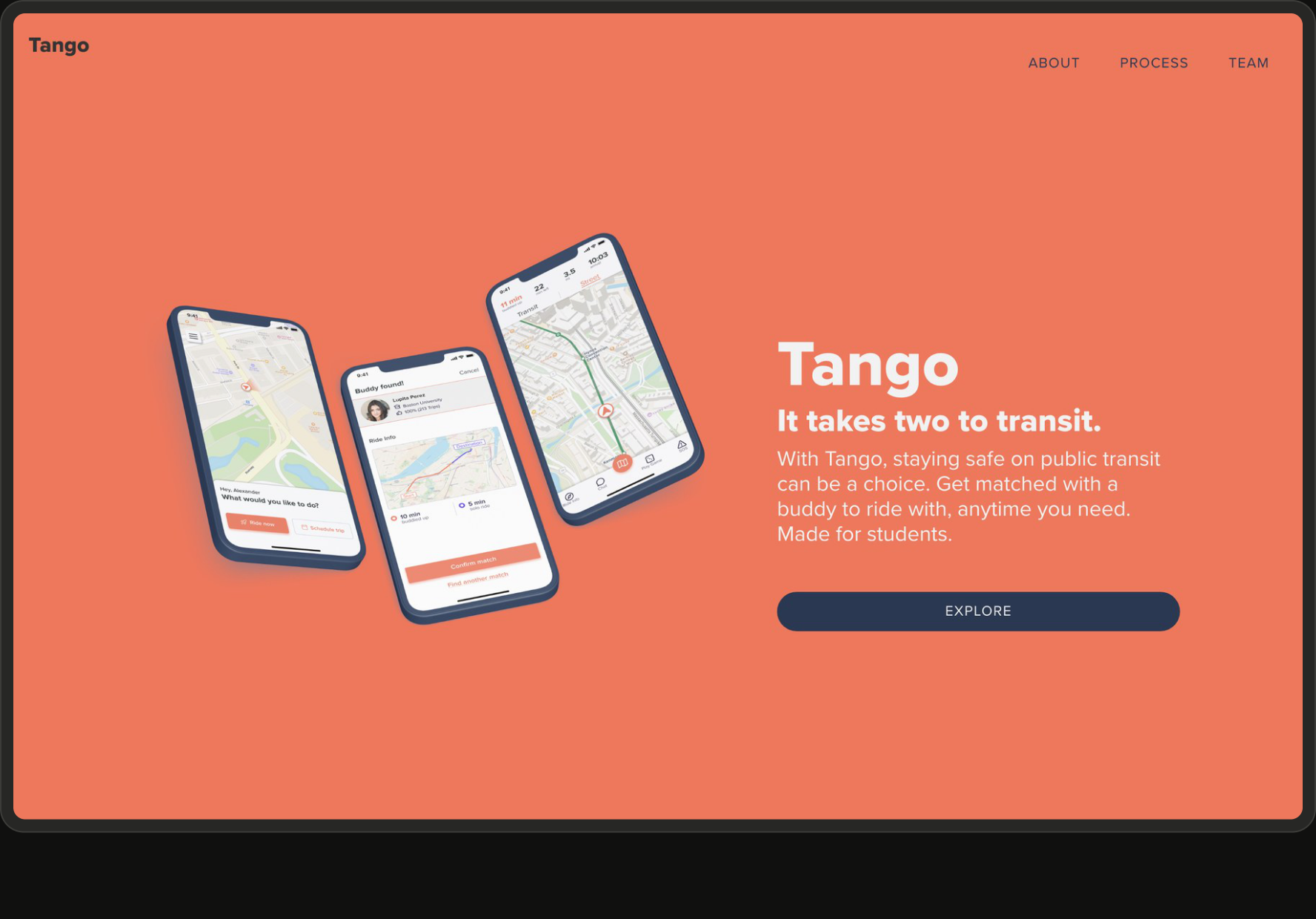 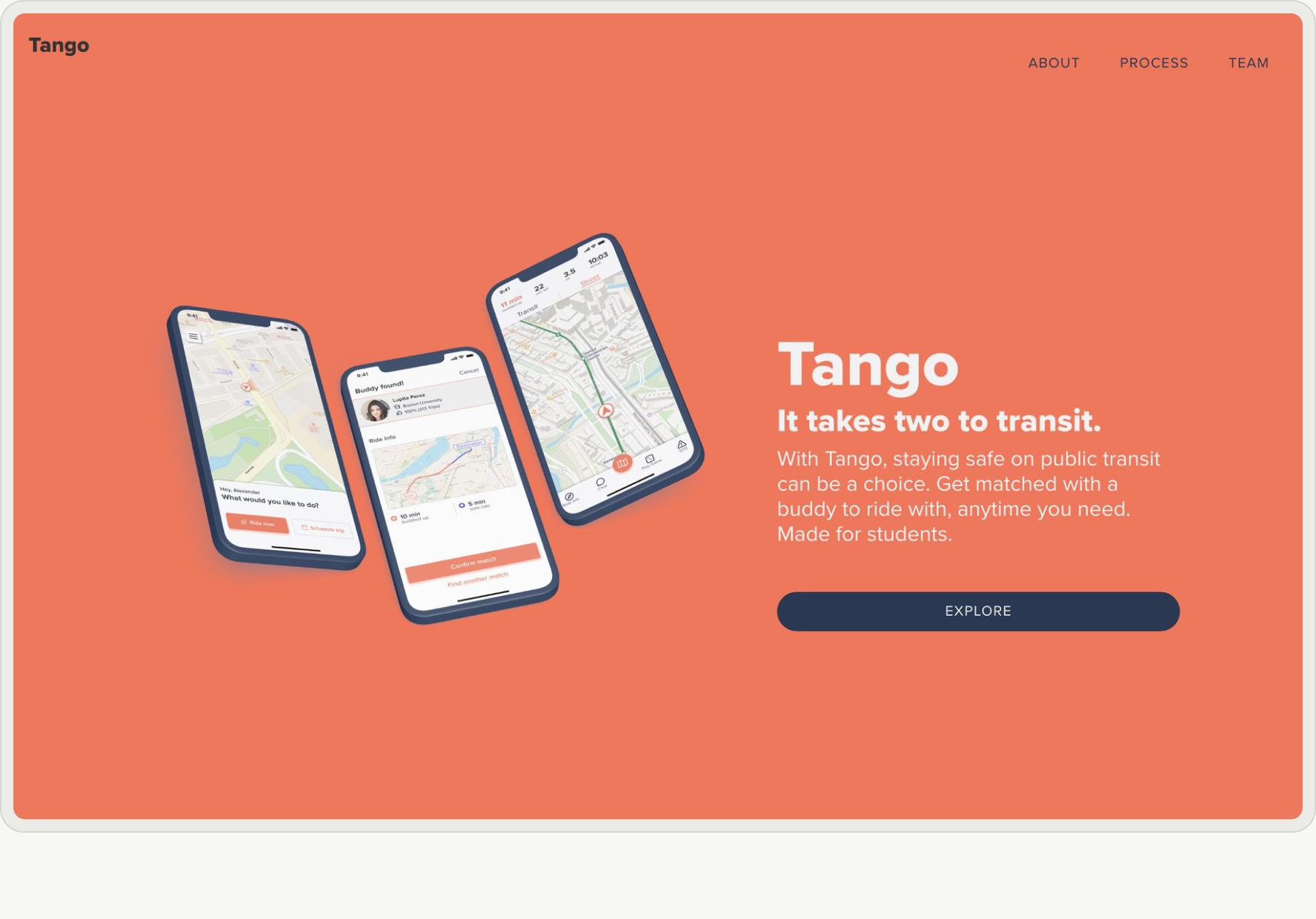 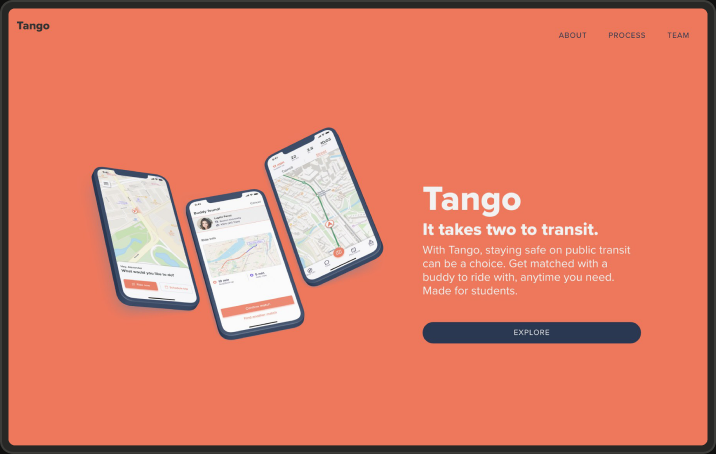 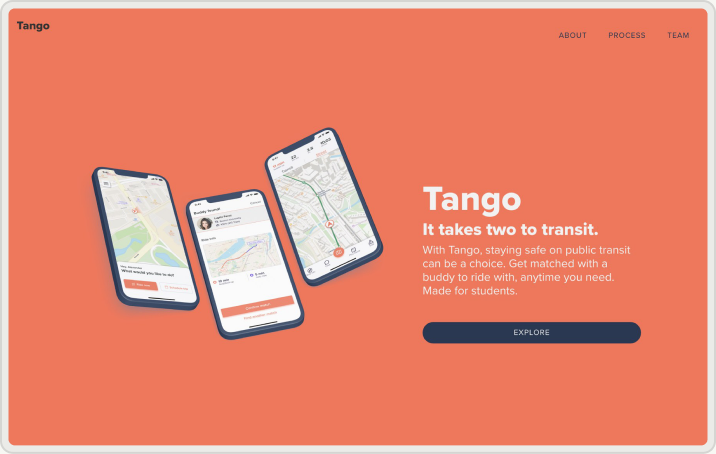 Built with
| ||||
| Health | Phone app for caregivers of family with mental illness | Product design, Strategy | Consumer | |
MiSunshineProblemCaregivers in the Bay Area’s Chinese community look after a family member with a mental illness. An app can do little for them, so every feature had to help without pretending to fix the illness. ApproachI kept the app small: a medication log with reminders, and notes that track the person’s progress over time. Community events go into the phone’s calendar, next to tools for the caregiver’s own care and for emergencies. 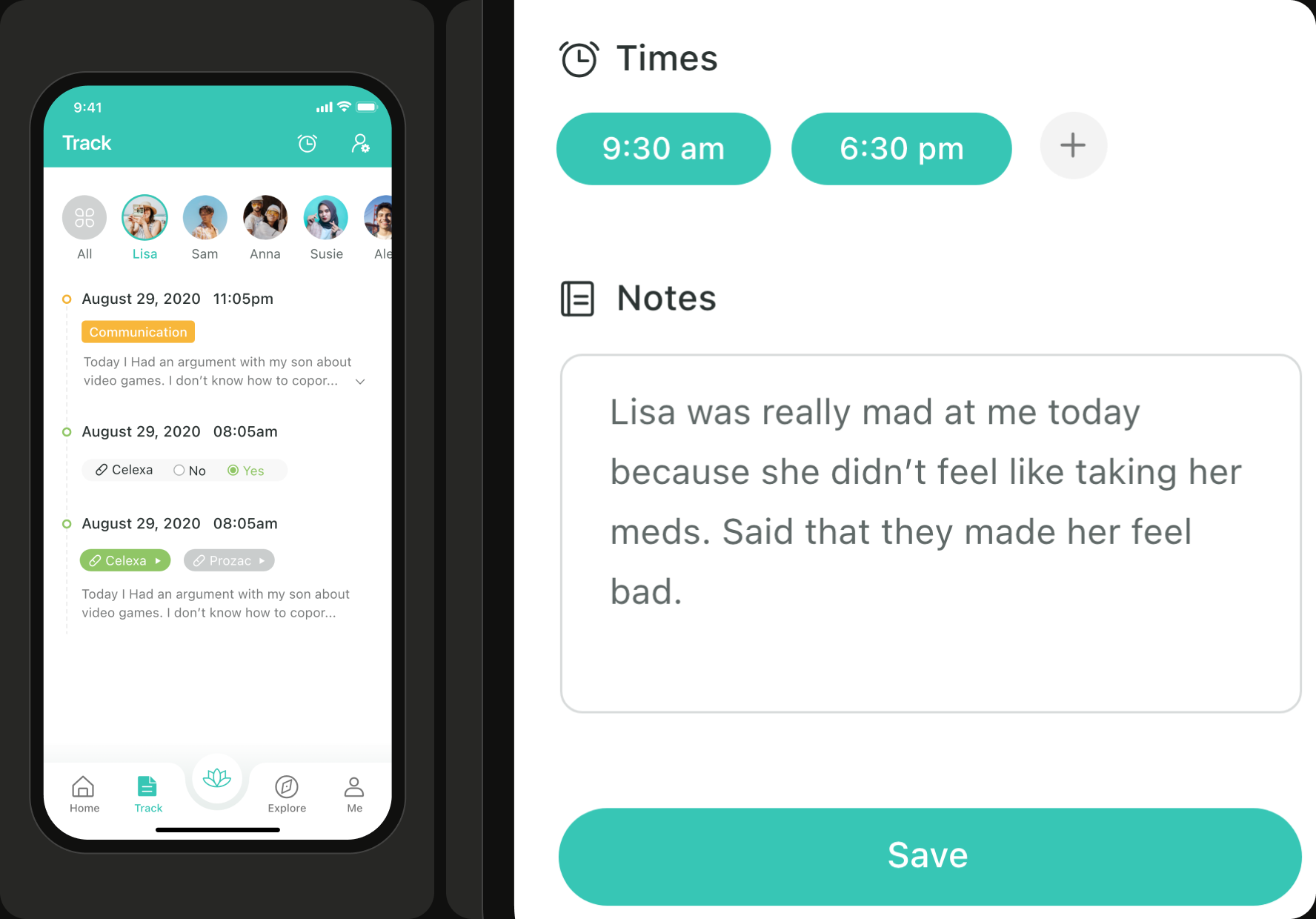 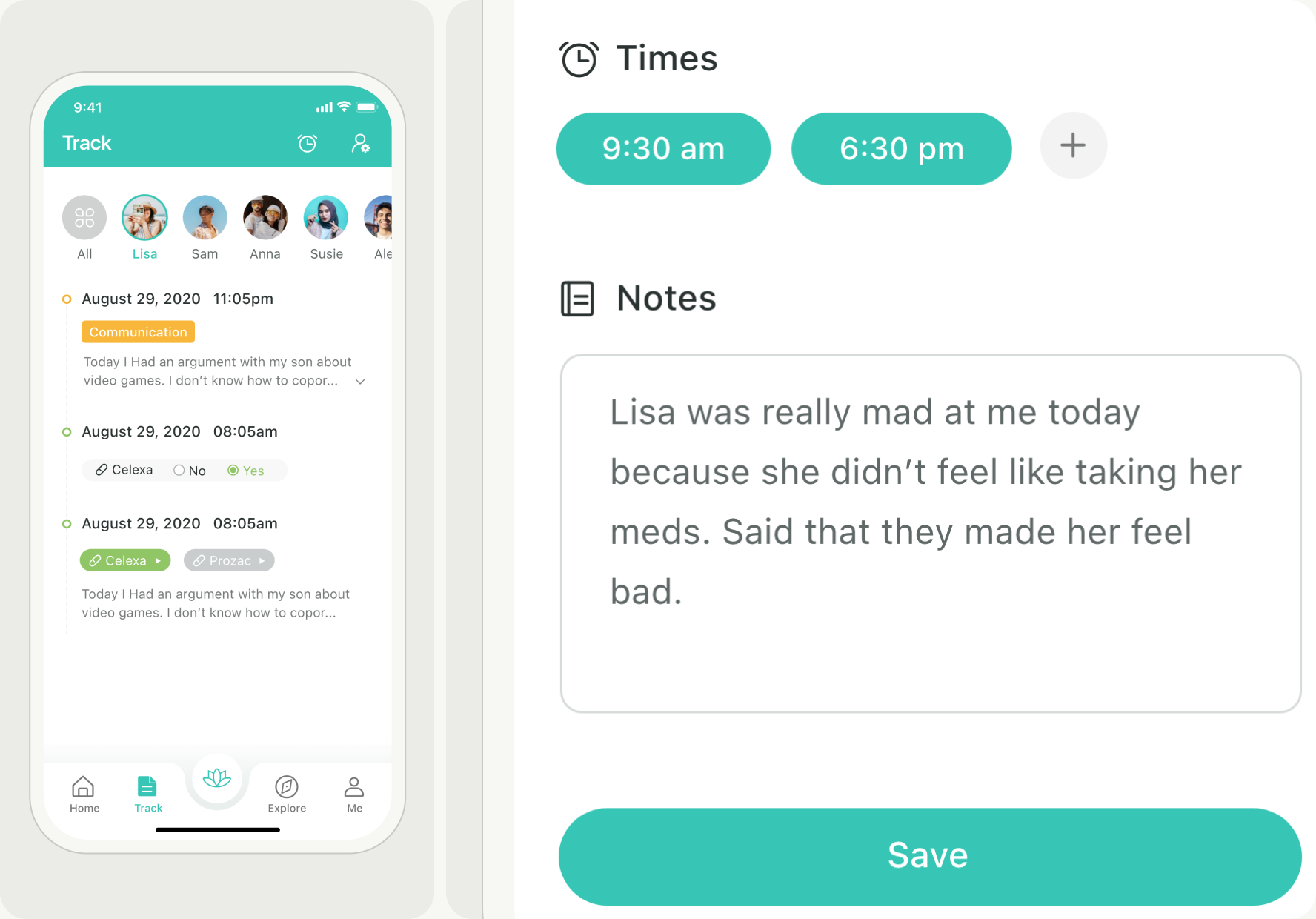 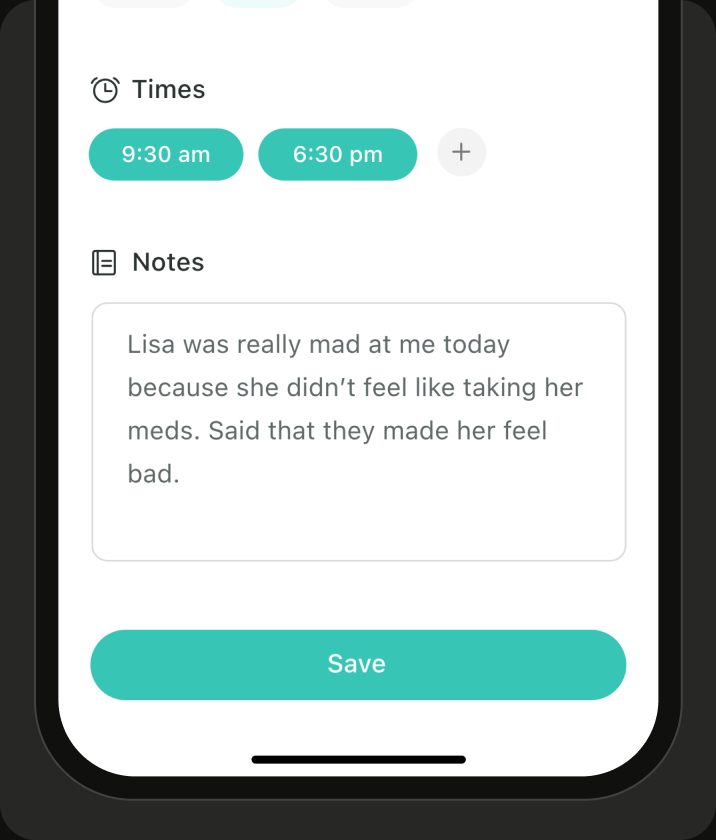 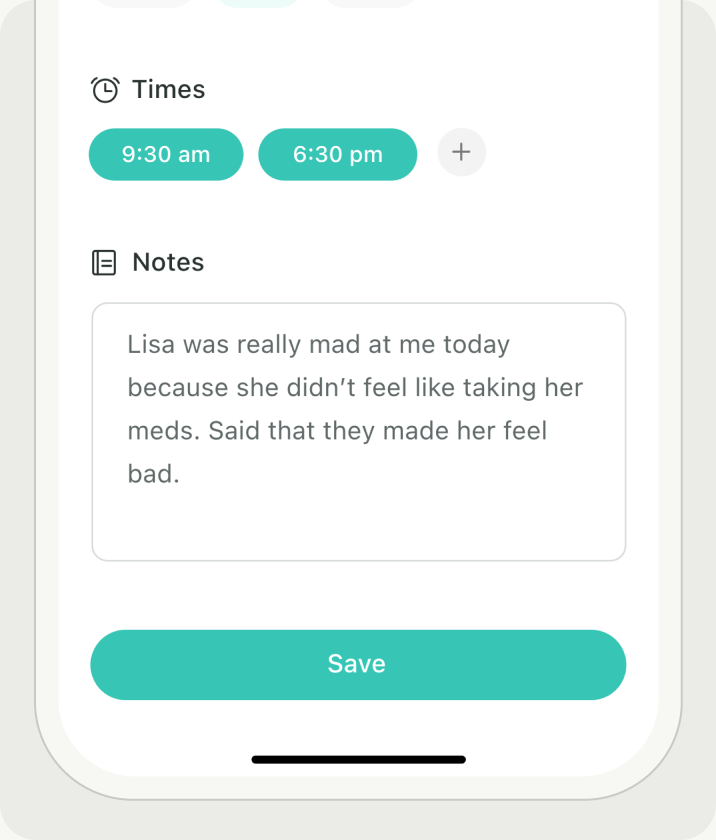 Live Built with
| ||||
Every part earns its place.
A product, a screen or a single chip has a job to do. Anything without one stays out, however new or fashionable it is.
Most work stops at good enough.
The gap between good and great sits in the parts nobody will point at. Those parts decide whether the whole thing feels right.
It makes sense the first time.
A product has to make sense the moment it opens. Anything that needs explaining is a design problem that is still open.